
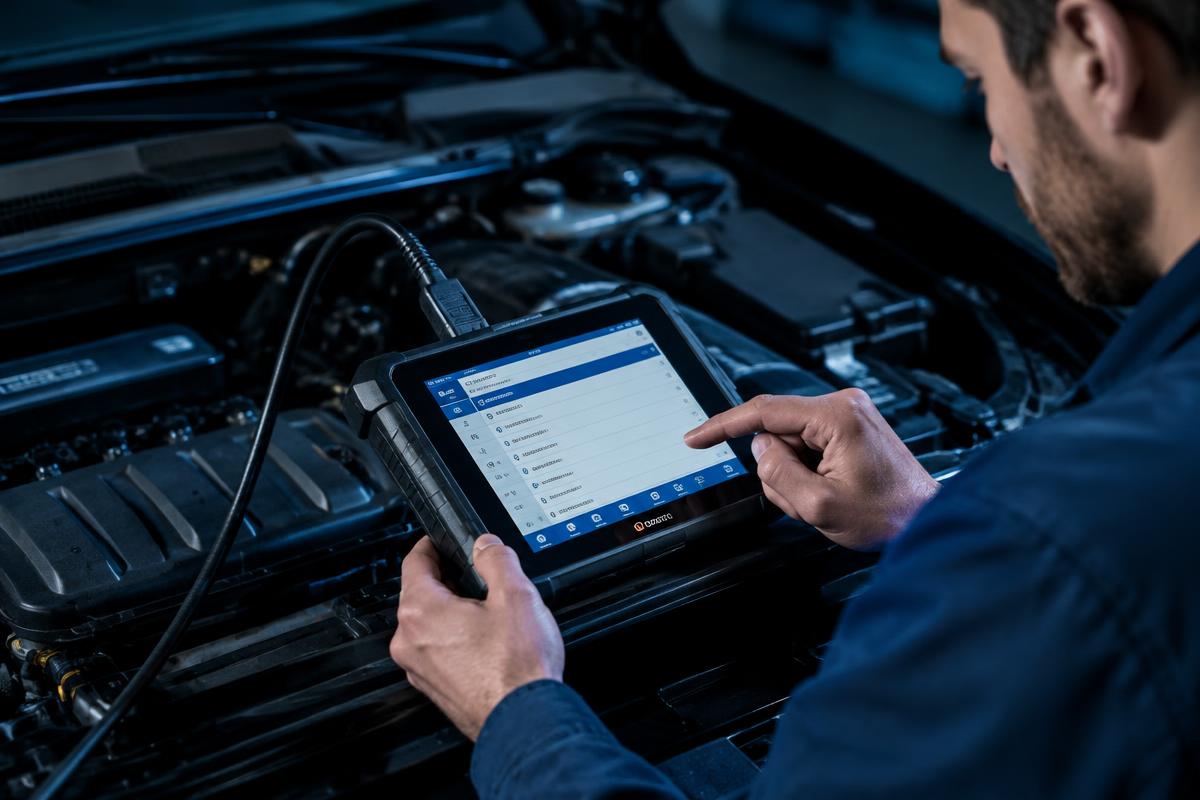
What makes a wet belt different
A wet belt runs inside the engine, lubricated by engine oil, rather than in a dry housing. That allows a compact design, but it makes the belt entirely dependent on the oil around it being the right specification and in good condition.
Why they fail early
- Wrong oil specification degrading the belt material
- Extended oil change intervals on short-journey cars
- Oil contamination from fuel or coolant
- Belt debris blocking the oil pump pickup — which is what causes catastrophic failure
Warning signs
- Rattle or whirr from the belt end of the engine
- Oil pressure or engine warning lights
- Black rubber-like debris in the sump or oil filter
- Rough running or a timing-related fault code
Our advice
Change the oil more often than the maximum interval, use oil that carries the correct approval, and have the belt replaced on time — not on optimism. Send us your registration and we will confirm what your engine uses.